



Comprehensive Guide to CNC Bellows for Machine Protection and Longevity
Understanding CNC Bellows: A Comprehensive Guide
In the world of CNC machining, maintaining a clean and efficient workspace is crucial. CNC bellows play a vital role in achieving this, protecting sensitive machine components from coolant, chips, and debris. This article provides a detailed overview of CNC bellows, their applications, types, and considerations for choosing the right bellows for your specific needs. Protecting your CNC investments begins with understanding the role these critical components play in extending machine life and maintaining precision.
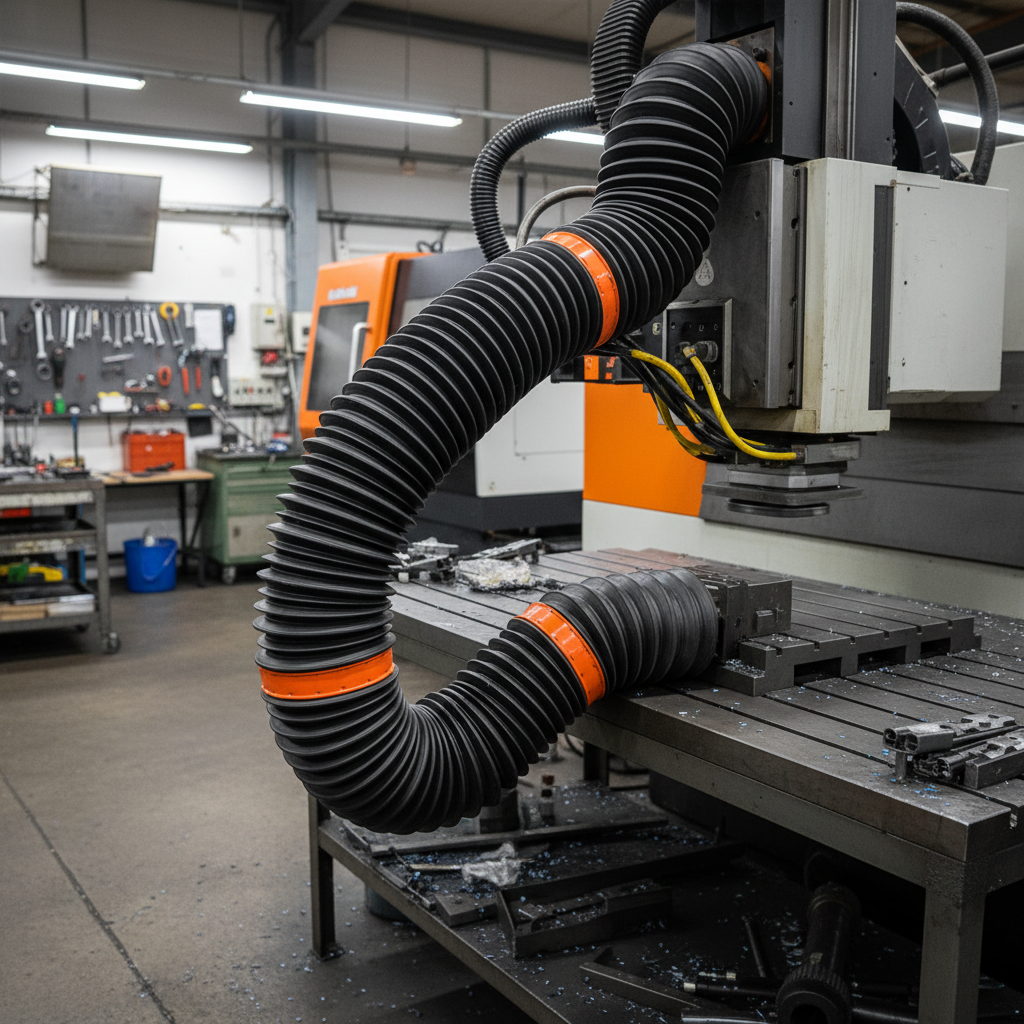
What are CNC Bellows and Why Are They Important?
CNC bellows, also known as machine bellows or way covers, are protective coverings designed to shield the linear guide rails and ball screws of CNC machines. These components are susceptible to damage from metal chips, coolant splash, dust, and other contaminants that can compromise their accuracy and lifespan. By containing these elements, CNC bellows significantly reduce wear and tear, minimize downtime for repairs, and maintain the precision of the machine. This leads to improved part quality, increased productivity, and reduced overall maintenance costs. They also contribute to a safer working environment by containing potentially hazardous materials.
Key Benefits: Reduced wear and tear, minimized downtime, maintained precision, improved part quality, increased productivity, safer working environment.
Types of CNC Bellows: A Comparative Overview
CNC bellows come in various materials and designs to suit different applications and machine types. The most common types include:
- PVC Coated Polyester Fabric Bellows: Lightweight, cost-effective, and suitable for general-purpose applications.
- Polyurethane (PU) Coated Nylon Fabric Bellows: More durable and resistant to oil and abrasion than PVC. Ideal for demanding environments.
- Steel Bellows: Provide the highest level of protection and rigidity, suitable for high-speed machines and harsh conditions.
- Accordion Bellows: A common design offering good flexibility and ease of installation.
- Convoluted Bellows: Designed for applications requiring a larger range of motion and minimal friction.
Material Comparison:
• PVC Coated Polyester: Cost-effective, suitable for light-duty applications.
• PU Coated Nylon: Durable, oil-resistant, ideal for demanding environments.
• Steel: Highest protection, rigidity, suitable for high-speed machines.
Choosing the Right CNC Bellows: Key Considerations
Selecting the appropriate CNC bellows requires careful consideration of several factors. These include the type of CNC machine, the operating environment, the materials being machined, and the level of protection required. Here's a breakdown of crucial aspects:
- Machine Type: Different machines (mills, lathes, routers) have unique requirements.
- Environment: Consider the presence of oil, coolant, dust, and other contaminants.
- Material Compatibility: Ensure the bellows material is compatible with the coolants and lubricants used.
- Flexibility: Choose bellows that allow for the full range of motion of the machine axes.
- Durability: Select a material that can withstand the wear and tear of the machining process.
CNC Bellows Installation and Maintenance
Proper installation is crucial for ensuring the effectiveness of CNC bellows. Follow the manufacturer's instructions carefully. Typically, bellows are attached to the machine frame using brackets and fasteners. Regular maintenance, including periodic cleaning and inspection for damage, is essential to maximize their lifespan. Look for signs of wear, cracks, or tears and replace the bellows as needed. Ignoring maintenance can lead to premature failure and compromise the protection they provide. Always disconnect power to the machine before performing any maintenance tasks.
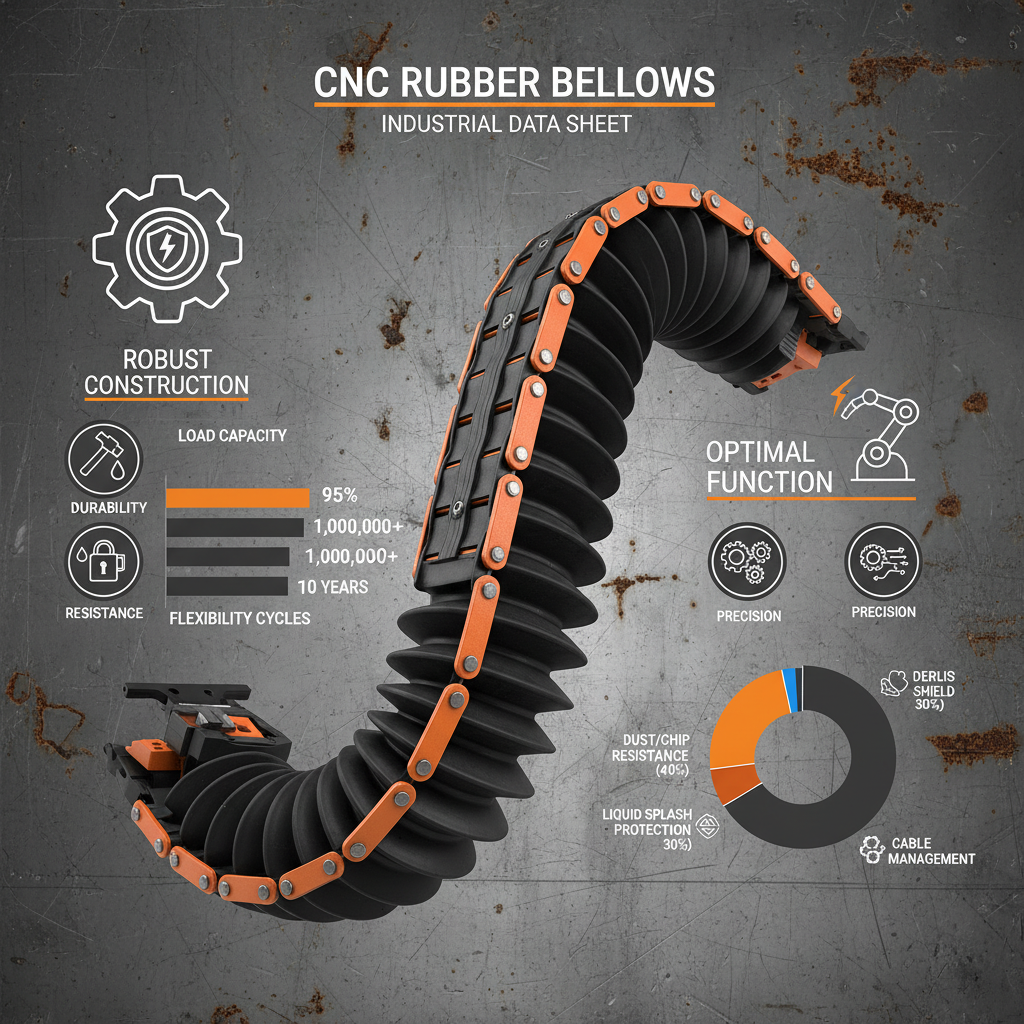
Specifications and Common Dimensions of CNC Bellows
CNC bellows come in a wide range of sizes and configurations. Here's a sample specification table:
Conclusion: Investing in CNC Bellows for Optimal Performance
Protecting your CNC machine is a vital investment. CNC bellows offer a cost-effective solution to safeguard against damage, maintain precision, and extend the lifespan of your valuable equipment. By choosing the right bellows and implementing a regular maintenance schedule, you can ensure optimal performance and minimize downtime. Contact Agilechains today for high-quality CNC bellows and expert guidance.
Frequently Asked Questions (FAQs)
What is the typical lifespan of a CNC bellow?
The lifespan of a CNC bellow varies based on usage intensity, the machining environment, and the material it's constructed from. Generally, PU-coated nylon bellows can last 2-5 years with proper maintenance. Steel bellows, being more robust, may last significantly longer. Regular inspection is crucial. Replace bellows if you notice cracks, tears, excessive wear, or compromised flexibility. Proactive replacement prevents further damage to the machine's critical components.
Can CNC bellows be custom-made to fit specific machines?
Yes, many manufacturers, including Agilechains, offer custom CNC bellows. This is particularly important for machines with unique geometries or unusual axis configurations. Custom bellows ensure a perfect fit, maximizing protection and preventing interference with machine operation. Provide accurate measurements and specifications when requesting a custom quote.
How do I clean CNC bellows effectively?
Regular cleaning is essential for maintaining the integrity of CNC bellows. Use a mild detergent and warm water. Avoid harsh chemicals or abrasive cleaners, as these can damage the material. Gently wipe down the bellows with a soft cloth. For stubborn residue, use a soft brush. Ensure the bellows are completely dry before resuming machine operation. A preventative maintenance schedule including regular cleaning will maximize the lifespan of your bellows.


