



Comprehensive Guide to Dust Cover Bellows Applications and Benefits
Understanding Dust Cover Bellows: Applications and Benefits
In the world of industrial automation and precision machinery, protecting sensitive components from dust, debris, and environmental factors is crucial. Dust cover bellows play a vital role in ensuring the longevity and optimal performance of equipment. These flexible enclosures provide a cost-effective and reliable solution for safeguarding moving parts, leading screws, and other critical areas. This article delves into the details of dust cover bellows, covering their applications, materials, benefits, and how to select the right bellows for your specific needs. Protecting your investment with the right protective covering is a smart decision for any industry.
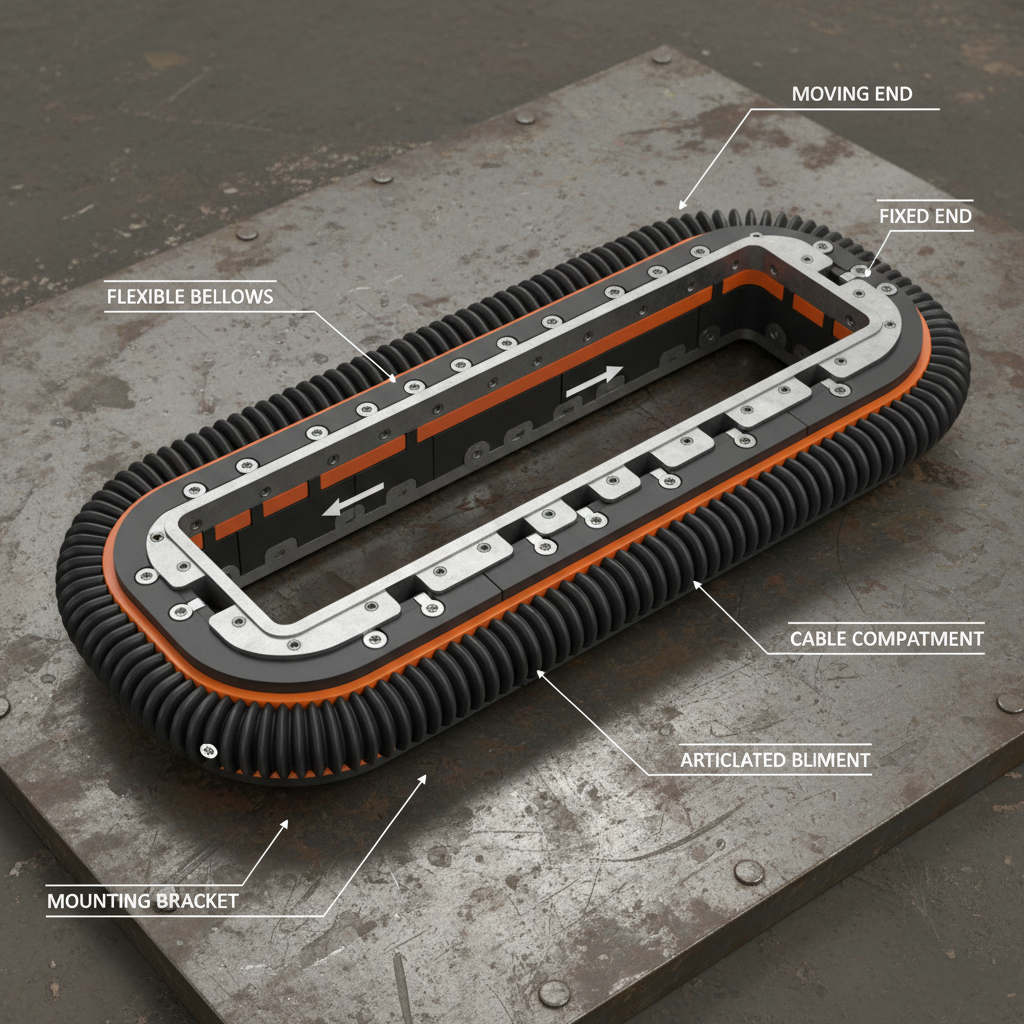
What are Dust Cover Bellows?
Dust cover bellows are essentially flexible, accordion-like enclosures designed to shield machinery components from contamination. They are commonly used in CNC machines, 3D printers, robotics, and other automated systems where linear motion is present. The bellows expand and contract with the movement of the protected components, maintaining a continuous seal against dust, dirt, moisture, and other potentially damaging elements. They are a robust and efficient method for keeping precision instruments operating at peak performance. A well-maintained bellows system can drastically reduce maintenance costs and downtime.
Key Advantages: Provides continuous protection during movement, reduces maintenance, extends machine life, cost-effective solution.
Common Applications of Dust Cover Bellows
The applications for dust cover bellows are incredibly diverse, spanning across numerous industries. In CNC machining, they protect the ball screws and linear guides from chips and debris. In 3D printing, they shield the hot end and build platform from dust. Robotics utilizes bellows to protect joints and actuators. They are also widely used in medical equipment, semiconductor manufacturing, and packaging machinery. Essentially, any application involving linear motion and a need for a clean environment can benefit from the implementation of dust cover bellows. Agilechains offers solutions across a variety of these industries.
Industries Utilizing Dust Cover Bellows:
• CNC Machining
• 3D Printing
• Robotics
• Medical Equipment
• Semiconductor Manufacturing
Dust Cover Bellows Materials: A Comparison
The choice of material for your dust cover bellows depends heavily on the operating environment and specific application requirements. Common materials include polyurethane, neoprene, PVC, and fabric-reinforced rubber. Each material offers unique advantages in terms of temperature resistance, chemical resistance, abrasion resistance, and flexibility. Selecting the appropriate material ensures the bellows provide long-lasting protection and reliable performance. Understanding the strengths and weaknesses of each material is essential for making an informed decision.
Selecting the Right Dust Cover Bellows
When choosing dust cover bellows, consider several key factors. First, accurately measure the travel distance and dimensions of the protected components. Second, identify the environmental conditions, including temperature, humidity, and exposure to chemicals. Third, evaluate the required flexibility and durability based on the application's demands. Finally, consult with a reputable supplier like Agilechains to discuss your specific needs and ensure you select the optimal bellows solution.
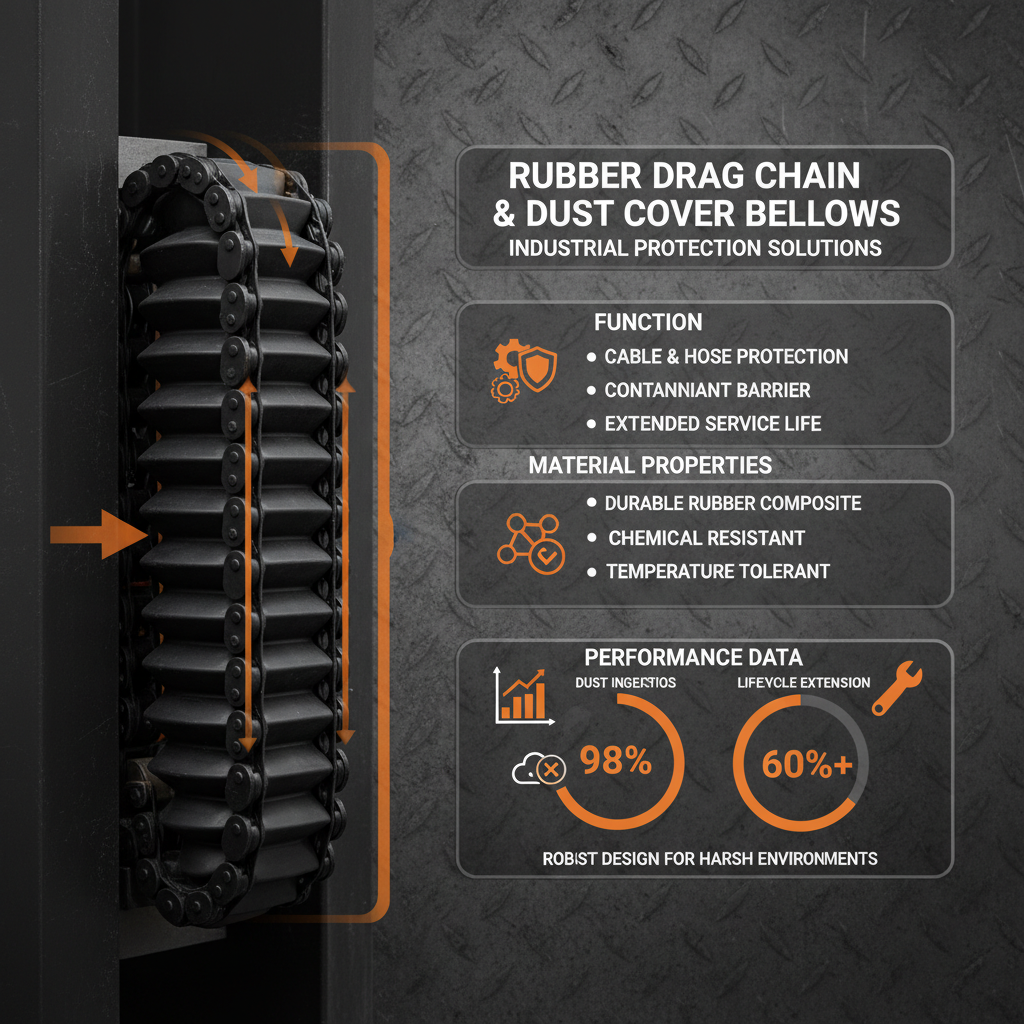
Conclusion: Protecting Your Investment with Quality Bellows
Investing in high-quality dust cover bellows is a proactive step towards ensuring the longevity and reliability of your machinery. By safeguarding critical components from contamination, you can minimize downtime, reduce maintenance costs, and optimize overall performance. Don't compromise on quality – choose a solution that meets your specific application requirements and provides long-lasting protection.
Frequently Asked Questions (FAQs)
What is the expected lifespan of a dust cover bellows?
The lifespan of a dust cover bellows varies depending on the material, environmental conditions, and the frequency of use. Generally, polyurethane bellows can last 3-5 years, while neoprene bellows may offer a longer lifespan due to their superior resistance to oils and chemicals. Regular inspections for cracks, tears, or abrasion are crucial for identifying potential failures. Replacing the bellows proactively can prevent costly damage to underlying machinery.
How do I determine the correct size bellows for my application?
Accurate measurement is key. You’ll need to measure the total travel distance of the component you are protecting, the overall dimensions of the area requiring coverage (length, width, and height), and the mounting point locations. It’s also important to account for any potential obstructions or interferences. Consulting with an engineer or a bellows specialist like those at Agilechains can ensure you select the correct size and configuration.
Can dust cover bellows be custom-made?
Yes, many suppliers, including Agilechains, offer custom-made dust cover bellows. This is often necessary for complex applications or when standard sizes are not suitable. Customization options include material selection, dimensions, mounting configurations, and additional features such as integrated sensors or cable management systems.


