



Optimizing Manufacturing Processes with a Reliable Chip Conveyor Belt System
Understanding the Benefits of a Chip Conveyor Belt
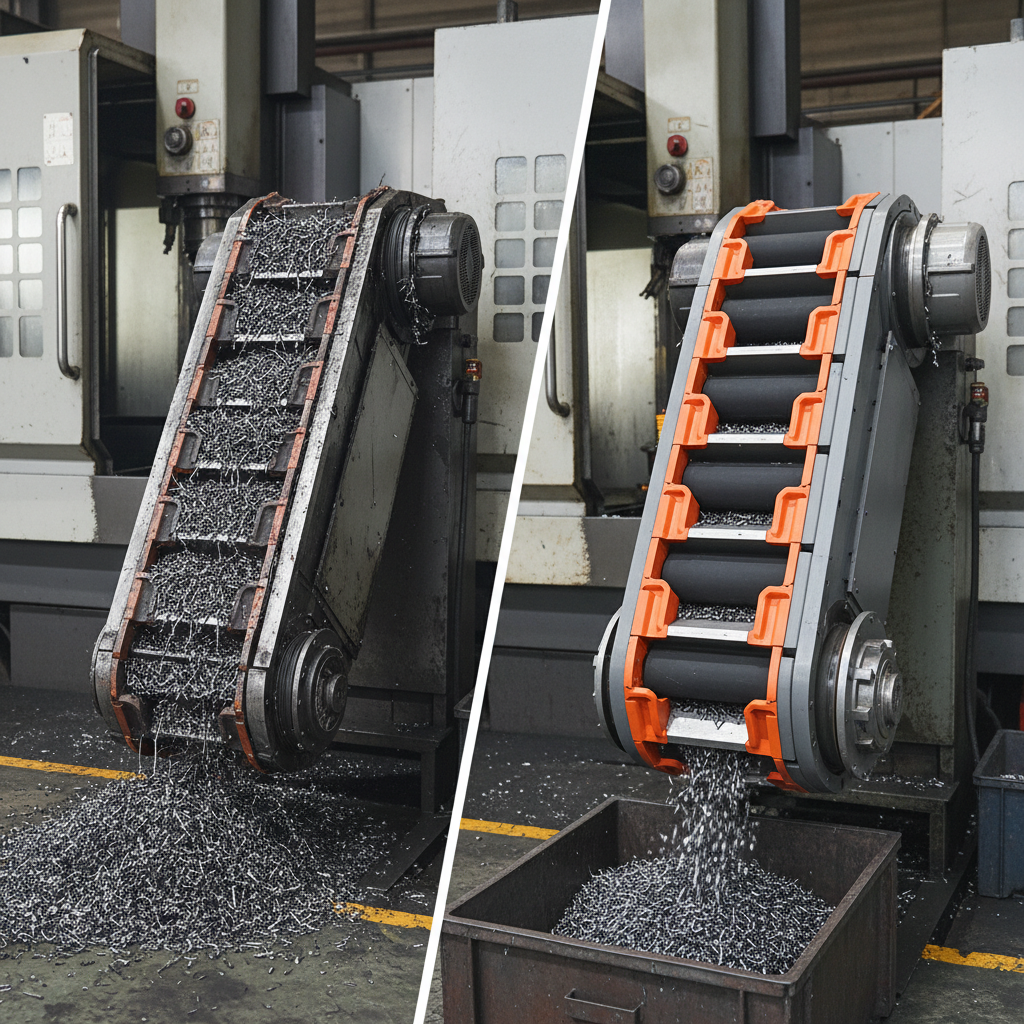
In modern manufacturing and material handling, efficiency and reliability are paramount. A chip conveyor belt plays a critical role in transporting chips, debris, and materials away from machining processes, preventing downtime and maintaining a safe working environment. This article will explore the various types of chip conveyor belts, their applications, benefits, and key considerations when selecting the right system for your needs. Investing in a high-quality chip conveyor belt can significantly improve your operational efficiency and reduce maintenance costs.
Types of Chip Conveyor Belts
Chip conveyor belts come in various designs, each suited for different applications and materials. Some of the most common types include:
- Apron Conveyors: These robust conveyors use overlapping metal plates to transport heavy chips and materials.
- Belt Conveyors: Utilizing a continuous belt, these are ideal for lighter chips and general material handling.
- Scraper Conveyors: Employing a scraper blade, these are effective for moving chips over relatively short distances.
- Plastic Modular Belt Conveyors: Offer flexibility and are well-suited for applications requiring frequent changes in layout.
Choosing the right type depends on factors like the material being conveyed, the volume of chips, and the layout of your workspace. Agile Chains offers a wide selection of conveyor belts to meet diverse industrial needs.
Key Considerations: Material type, chip volume, workspace layout, and maintenance requirements should all be considered when selecting a chip conveyor.
Benefits of Implementing a Chip Conveyor Belt System
Implementing a chip conveyor system offers numerous advantages:
- Improved Safety: Removes slippery chips and debris, reducing the risk of slips, trips, and falls.
- Increased Efficiency: Automates chip removal, freeing up personnel for other tasks.
- Reduced Downtime: Prevents chip buildup that can cause machine jams and interruptions.
- Enhanced Workplace Cleanliness: Keeps the work area clean and organized, promoting a more productive environment.
- Extended Tool Life: By efficiently removing chips, the system can help prolong the life of cutting tools.
These benefits translate to significant cost savings and improved overall operational performance. Agile Chains provides solutions tailored to maximize these benefits.
Key Advantages:
• Improved safety and reduced accidents.
• Increased operational efficiency and productivity.
• Lower maintenance costs and reduced downtime.
• Enhanced workplace cleanliness and organization.
Comparing Chip Conveyor Belt Types
Selecting the ideal chip conveyor belt requires careful consideration of your specific needs. Here’s a comparison of common types:
Selecting the Right Chip Conveyor Belt: Key Considerations
Before making a purchase, evaluate these key factors:
- Material Type: The type of chips (metal, plastic, wood) will influence the conveyor's construction and durability requirements.
- Chip Volume: The amount of chips generated will determine the conveyor's capacity and speed.
- Workspace Layout: The conveyor’s design must fit seamlessly into your existing workspace.
- Maintenance Requirements: Choose a conveyor that’s easy to maintain and service.
- Budget: Balance your needs with your budgetary constraints.
Agile Chains’ experienced team can help you navigate these considerations and choose the optimal solution for your application.
Conclusion: Investing in a Reliable Chip Conveyor System
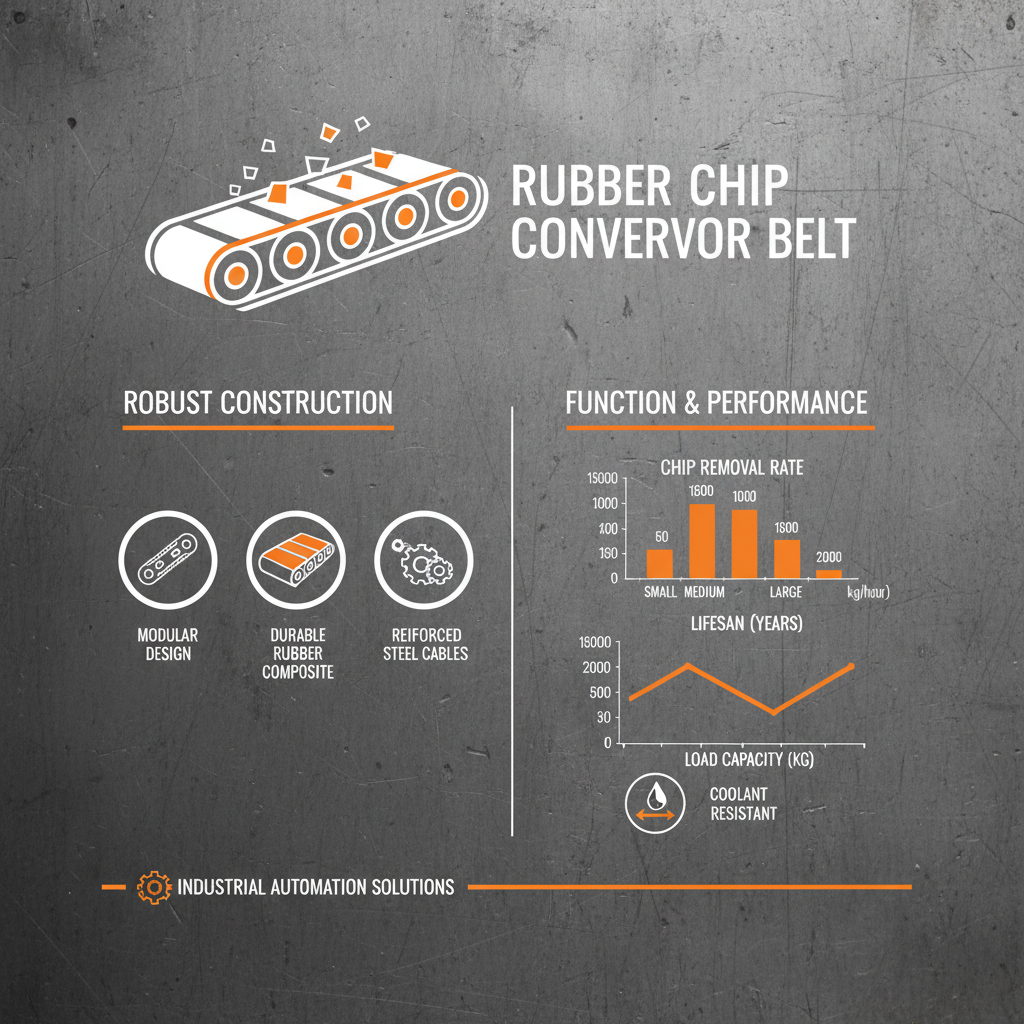
A chip conveyor belt is an essential component of any efficient and safe machining operation. By carefully considering your needs and selecting the right type of conveyor, you can optimize your processes, reduce costs, and improve your overall productivity. Agile Chains is a trusted provider of high-quality chip conveyor systems designed to meet the demanding requirements of modern industry. Investing in a reliable system is an investment in your company's future.
Frequently Asked Questions (FAQs)
What is the typical lifespan of a chip conveyor belt?
The lifespan of a chip conveyor belt depends heavily on factors like usage frequency, the abrasiveness of the chips being conveyed, and the quality of maintenance. Generally, a well-maintained belt can last between 5 to 10 years. Regular inspections for wear and tear, proper cleaning, and timely replacement of worn components are crucial to maximizing its lifespan. Agile Chains offers comprehensive maintenance services to help extend the life of your conveyor system.
What type of maintenance is required for a chip conveyor belt?
Regular maintenance includes cleaning the conveyor belt to remove accumulated chips and debris, inspecting the belt for wear and tear (cracks, cuts, or fraying), checking the tension of the belt, and lubricating moving parts. Periodic inspection of the motor and drive components is also important. Following the manufacturer’s recommended maintenance schedule will ensure optimal performance and prevent premature failure.
Can chip conveyor belts be customized to fit specific workspaces?
Yes, many chip conveyor belts can be customized to fit specific workspace requirements. Agile Chains offers customized solutions, including adjustments to length, width, height, and the addition of accessories like enclosures or separators, to ensure a perfect fit for your application.
What are the safety considerations when operating a chip conveyor belt?
Safety is paramount. Always ensure the conveyor is properly guarded to prevent accidental contact with moving parts. Implement lockout/tagout procedures before performing any maintenance. Train operators on safe operating procedures and emergency shutdown procedures. Regularly inspect safety devices, such as emergency stop buttons, to ensure they are functioning correctly.


