



Comprehensive Guide to Chip Conveyors for Efficient Metalworking Operations
Chip Conveyors: A Comprehensive Guide
In the world of metalworking, efficient chip removal is crucial for productivity, tool life, and surface finish. Chip conveyors are the unsung heroes of many machining operations, automating the removal of chips from machines. This article dives deep into the world of chip conveyors, covering their types, benefits, applications, and how to choose the right one for your needs. Effective chip management directly impacts profitability and operational efficiency. We’ll explore how Agile Chains can provide customized solutions to optimize your chip removal process.
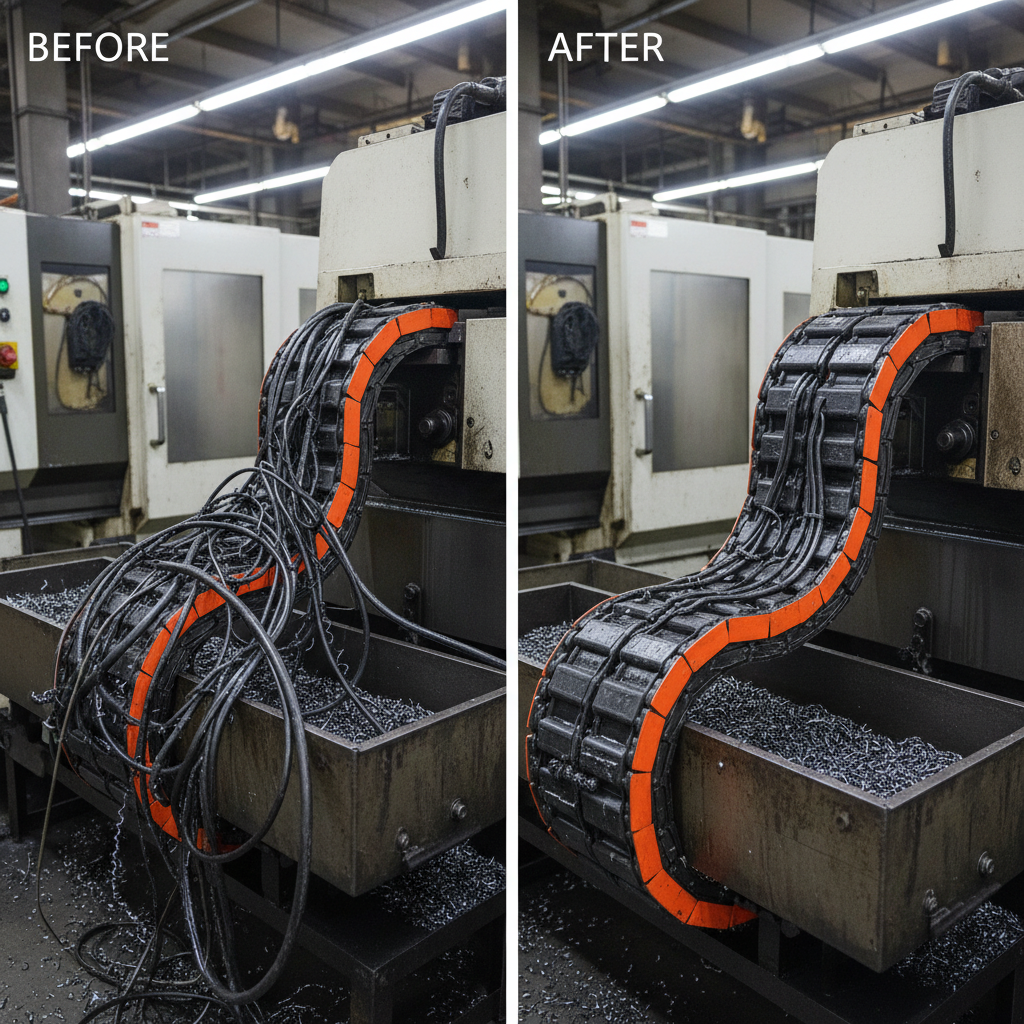
Understanding Chip Conveyor Types
Chip conveyors aren't one-size-fits-all. Different machining processes and chip characteristics require different conveyor designs. Some common types include: auger conveyors (also known as screw conveyors), belt conveyors, drag chain conveyors, and coolant-fed conveyors. Auger conveyors are suitable for dry or semi-dry chips, while belt conveyors excel at handling large volumes of chips and swarf. Drag chain conveyors are highly versatile, adapting to various chip sizes and shapes. Coolant-fed conveyors combine chip removal with coolant filtration, improving coolant life and reducing disposal costs. Choosing the right type is the first step towards a streamlined machining process.
Key Consideration: Selecting the right type depends on the type of chips produced (dry, wet, long, short, heavy, light) and the volume of material that needs to be removed.
Benefits of Implementing a Chip Conveyor System
Implementing a chip conveyor system offers a multitude of benefits. Firstly, it significantly improves workplace safety by removing tripping hazards and reducing the risk of injury. Secondly, it enhances productivity by automating chip removal, freeing up machine operators to focus on machining tasks. Thirdly, it lowers tooling costs by preventing chip recutting, which damages cutting tools. Finally, it minimizes coolant contamination, extending coolant life and reducing disposal expenses. Investing in a chip conveyor is an investment in overall operational efficiency and profitability.
Key Advantages:
• Enhanced Workplace Safety
• Increased Productivity
• Reduced Tooling Costs
• Minimized Coolant Contamination
Chip Conveyor Applications Across Industries
Chip conveyors are essential in a diverse range of industries, including automotive, aerospace, medical device manufacturing, and general machining. In the automotive industry, they remove chips from engine block machining, transmission manufacturing, and other critical processes. Aerospace manufacturers rely on chip conveyors for precise component machining. Medical device manufacturers demand high levels of cleanliness and utilize chip conveyors to prevent contamination. Regardless of the industry, a well-chosen chip conveyor optimizes machining operations.
Choosing the Right Chip Conveyor: Key Considerations
Selecting the perfect chip conveyor requires careful consideration of several factors. First, assess the type and volume of chips generated by your machining processes. Second, determine the available space and machine layout. Third, consider the coolant type and filtration needs. Fourth, evaluate the conveyor’s loading capacity and motor power. Finally, factor in maintenance requirements and long-term reliability. Agile Chains offers expert consultation to help you navigate these decisions and choose the optimal chip conveyor solution.
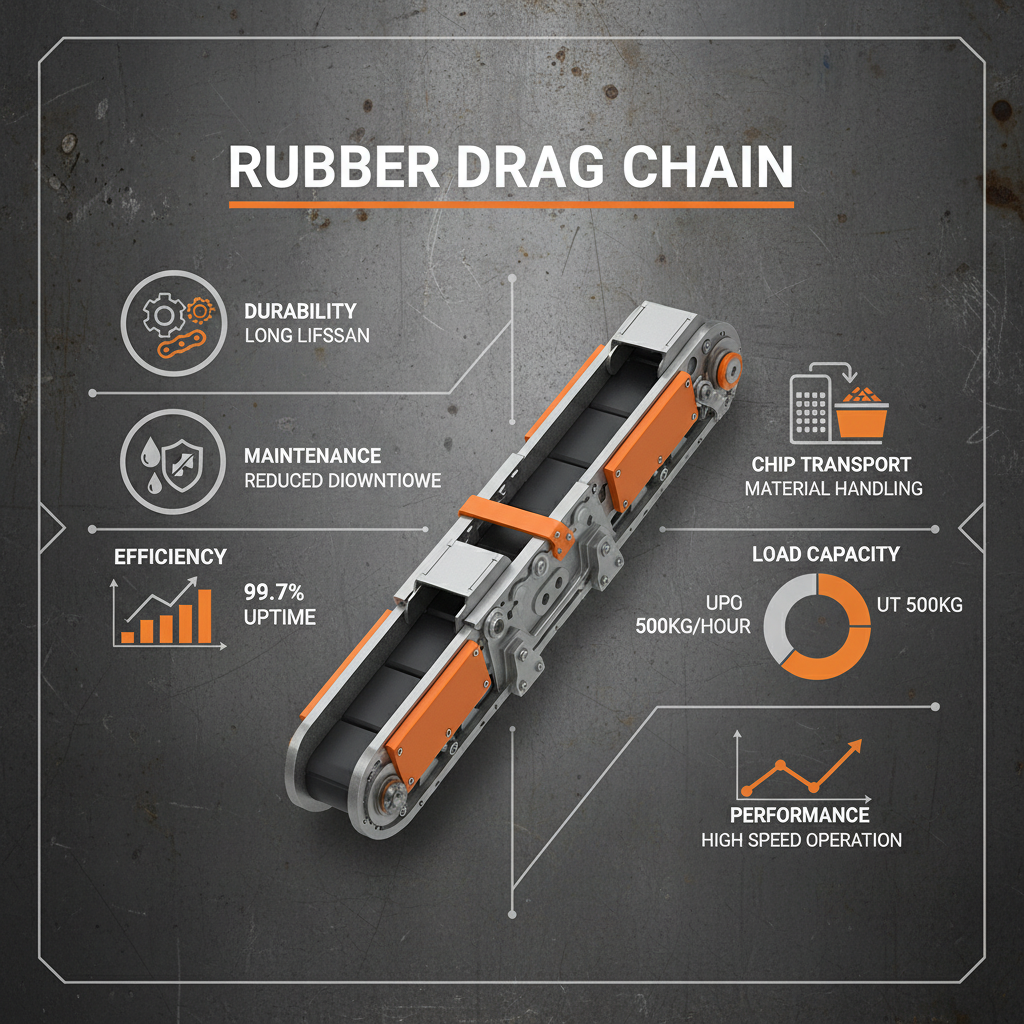
Agile Chains: Custom Chip Conveyor Solutions
At Agile Chains, we specialize in designing and manufacturing custom chip conveyor systems tailored to your specific requirements. We offer a wide range of conveyor types, materials, and configurations to optimize your chip removal process. Our experienced engineers work closely with you to understand your needs and deliver a solution that enhances productivity, reduces costs, and improves workplace safety. Contact us today to discuss your chip conveyor needs and receive a personalized quote. We are committed to providing innovative and reliable chip management solutions.
Conclusion: Optimizing Your Machining Process with Agile Chains
Investing in the right chip conveyor is vital for maximizing efficiency and maintaining a safe, productive machining environment. Agile Chains provides innovative, custom solutions to meet your specific needs. Contact us today to discuss how we can help you optimize your chip management and improve your bottom line.
Frequently Asked Questions (FAQs)
What maintenance is required for a chip conveyor?
Regular maintenance is crucial for ensuring the longevity and optimal performance of your chip conveyor. This includes daily visual inspections for wear and tear, lubrication of moving parts as per the manufacturer's recommendations, and periodic cleaning to remove accumulated chips and debris. Belt conveyors require regular belt tension checks and alignment. Drag chain conveyors need inspection of the chain links and rollers. Ignoring maintenance can lead to breakdowns, reduced efficiency, and costly repairs. A preventative maintenance schedule will help maximize the lifespan of your chip conveyor.
What factors affect chip conveyor capacity?
Several factors influence a chip conveyor’s capacity, including the chip volume, chip size, chip shape, coolant type, and conveyor speed. Larger, heavier chips require more power to convey. The type of coolant (oil-based, water-based) affects friction and flow. Conveyor speed directly impacts the amount of chips that can be removed per unit of time. The conveyor’s design and motor power also play a significant role. Proper sizing and selection of the conveyor are essential to handle the expected chip load effectively.
Can chip conveyors handle different types of metal chips?
Yes, chip conveyors can handle a wide range of metal chips, including steel, aluminum, brass, and cast iron. However, the specific conveyor type must be chosen based on the characteristics of the chips. For example, long, stringy chips are best handled by drag chain conveyors, while small, granular chips are suitable for auger conveyors. The conveyor material should also be compatible with the metal being machined to prevent corrosion or damage. Agile Chains engineers can help you select the appropriate conveyor for your specific metalworking application.


