



Comprehensive Guide to Lathe Bellow Covers for Precision Machining Operations
Understanding Lathe Bellow Covers: A Comprehensive Guide
In the realm of industrial machinery, maintaining precision and cleanliness is paramount. Lathe bellow covers play a crucial role in achieving this, safeguarding vital components from debris, coolants, and contaminants. This article provides an in-depth exploration of lathe bellow covers, covering their benefits, types, materials, installation, and maintenance, with a focus on optimizing your machining operations. Protecting your lathe investment and ensuring operational efficiency starts with understanding the importance of a quality bellow cover.

What Are Lathe Bellow Covers and Why Are They Important?
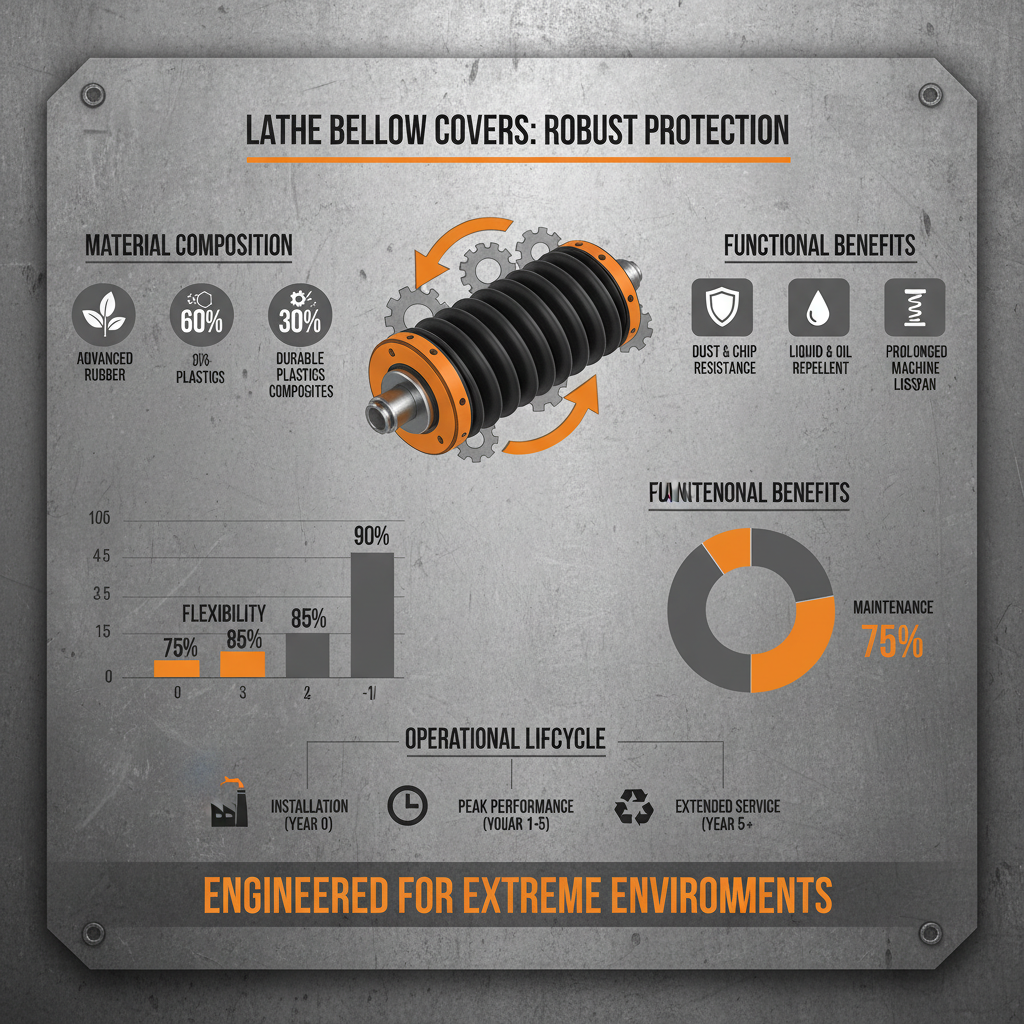
A lathe bellow cover, also known as a way cover, is a protective enclosure designed to shield the critical parts of a lathe machine. These components include the ways (horizontal guide rails), ball screws, and lead screws. The primary function is to prevent the ingress of metal chips, cutting fluids, dust, and other contaminants that can cause wear, corrosion, and reduced accuracy. By keeping these elements at bay, lathe bellow covers significantly extend the lifespan of the machine, reduce maintenance costs, and maintain the precision of machining operations. Agilechains specializes in providing high-quality, customized lathe bellow covers to meet diverse industrial needs.
Key Benefits: Protects critical components, extends machine life, reduces maintenance, maintains accuracy, improves workplace safety.
Types of Lathe Bellow Covers
Lathe bellow covers come in several designs, each suited for specific lathe configurations and applications. Common types include:
- Accordion Bellows: These are the most common type, offering excellent flexibility and protection.
- Convoluted Bellows: Similar to accordion bellows but with a more defined corrugated structure.
- Roller Covers: Utilize overlapping rollers for a robust and continuous protective shield, ideal for high-speed applications.
- Universal Bellows: Designed to fit a wide range of lathe models with minimal customization.
The selection of the appropriate type depends on factors such as lathe size, travel distance, operating speed, and the type of machining being performed. Explore our selection to find the best fit for your needs.
Bellow Cover Type Comparison:
• Accordion Bellows: Best for general purpose, cost-effective, flexible.
• Convoluted Bellows: Higher rigidity, better chip containment.
• Roller Covers: High-speed applications, durable, continuous protection.
• Universal Bellows: Easy installation, wide compatibility.
Materials Used in Lathe Bellow Covers
The material used in a lathe bellow cover significantly impacts its durability, flexibility, and resistance to various factors. Common materials include:
- PVC (Polyvinyl Chloride): Cost-effective, good flexibility, resistant to oils and chemicals.
- PU (Polyurethane): Excellent abrasion resistance, high tensile strength, good oil resistance.
- Nylon: Strong and durable, good resistance to heat and chemicals.
- Rubber: Provides excellent sealing, flexibility, and shock absorption.
The choice of material depends on the specific operating environment and the types of fluids and debris encountered. Our team can assist you in selecting the optimal material for your application.
Installation and Maintenance Best Practices
Proper installation and regular maintenance are crucial for maximizing the lifespan and effectiveness of your lathe bellow cover. Ensure the cover is securely mounted and properly aligned with the lathe's travel distance. Regularly inspect for tears, cracks, or wear and tear. Clean the cover periodically with mild soap and water to remove accumulated debris and contaminants. Avoid using abrasive cleaners or solvents that could damage the material. Contact us for expert advice on installation and maintenance.
Choosing the Right Lathe Bellow Cover for Your Needs
Selecting the ideal lathe bellow cover involves considering several key factors: lathe model, operating environment, machining processes, and budget. Agilechains offers a wide range of standard and customized lathe bellow covers to meet your specific requirements. We provide expert guidance and support to ensure you make the right choice for optimal protection and performance. Investing in a high-quality lathe bellow cover is a proactive step towards extending the life of your valuable machinery and improving overall operational efficiency.
Conclusion: Protect Your Investment with a Quality Lathe Bellow Cover
A lathe bellow cover is an essential component for any machining operation. By safeguarding critical machine parts from contaminants and wear, these covers extend the lifespan of your lathe, reduce maintenance costs, and maintain precision. Agilechains offers a comprehensive selection of high-quality lathe bellow covers to meet your specific needs. Don't compromise on protection – choose Agilechains.
Frequently Asked Questions (FAQs)
What are the main benefits of using a lathe bellow cover?
The primary benefits include protecting the lathe's ways, ball screws, and lead screws from chips, coolants, and dust, which significantly extends the machine’s lifespan and reduces maintenance. This protection also ensures consistent machining accuracy and improves workplace safety. Regular use of a lathe bellow cover helps maintain the value of your investment and minimizes costly downtime associated with repairs and replacements.
How do I choose the right size lathe bellow cover?
Accurate measurement is crucial. You'll need to determine the lathe's travel distance along each axis. Measure the total length of travel for both the X and Z axes. Also, consider the width and height of the areas needing protection. It’s best to slightly overestimate the dimensions to ensure full coverage. Our team can provide guidance based on your specific lathe model.
What is the expected lifespan of a lathe bellow cover?
The lifespan depends on usage, material, and maintenance. PVC covers typically last 2-5 years, while polyurethane and nylon covers can last 5-10 years with proper care. Regular inspection for wear and tear, cleaning, and avoiding harsh chemicals are essential for extending the lifespan. Damage from impacts or abrasive materials will shorten the lifespan.
Are lathe bellow covers difficult to install?
Installation difficulty varies depending on the type of cover and lathe configuration. Universal covers are generally easier to install, while custom-fitted covers may require more precision. Most covers attach with clamps, brackets, or Velcro straps. We provide detailed installation instructions and support. If you’re unsure, professional installation is recommended.


