



Optimizing Metalworking Processes with Advanced Magnetic Chip Conveyor Systems
Understanding Magnetic Chip Conveyors: A Comprehensive Guide
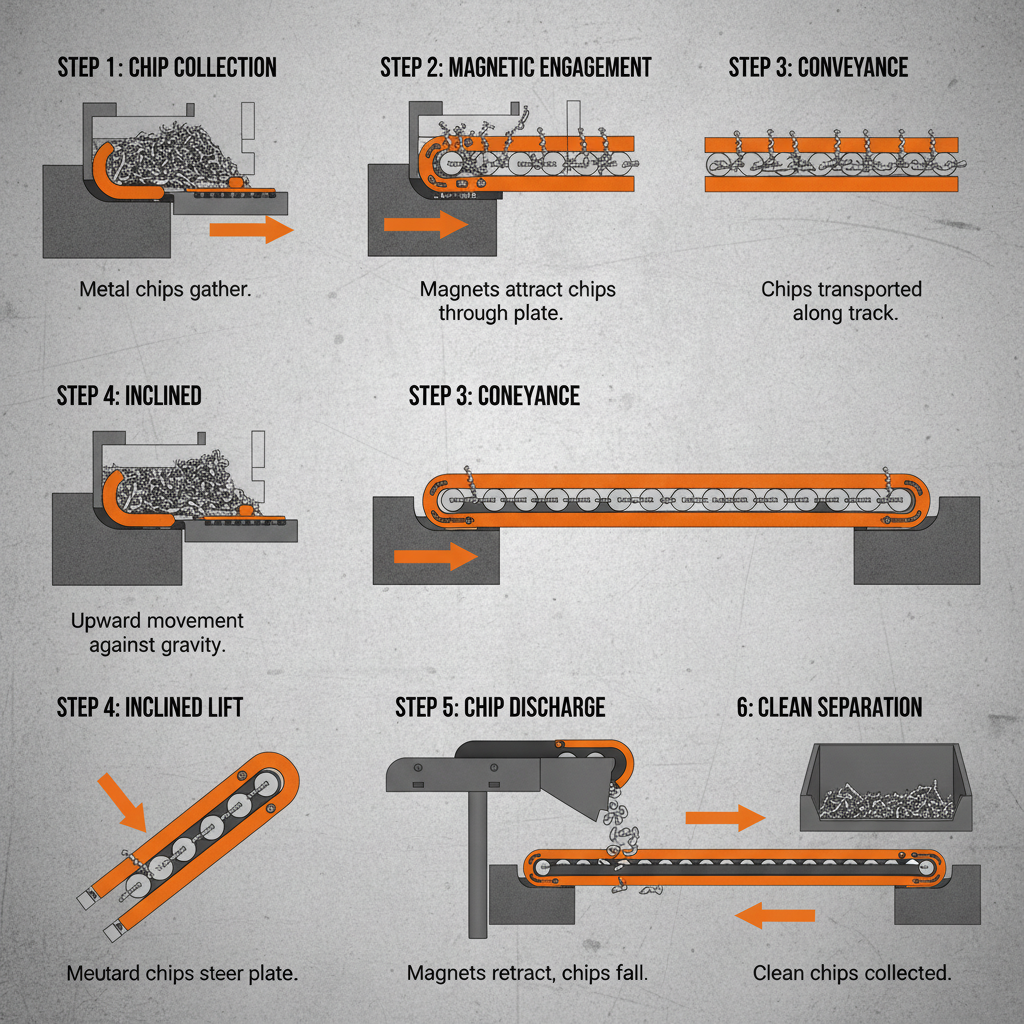
In today's manufacturing landscape, efficient and effective metalworking processes are crucial for maintaining productivity and quality. One essential component in achieving this is a reliable chip removal system. Magnetic chip conveyors offer a powerful and versatile solution for transporting metal chips, shavings, and swarf away from machining operations. This article will explore the benefits, applications, types, and key considerations when selecting a magnetic chip conveyor, providing insights for optimizing your metalworking process. A properly implemented system can dramatically reduce downtime, improve workplace safety, and enhance overall operational efficiency.
The Advantages of Using Magnetic Chip Conveyors
Traditional chip removal methods, such as flooding or manual cleaning, can be inefficient, costly, and even hazardous. Magnetic chip conveyors provide a superior alternative, offering numerous benefits. These include automated chip removal, reduced labor costs, improved coolant filtration, enhanced workplace safety by eliminating slip hazards, and decreased machine downtime. By efficiently removing chips, they also help maintain optimal cutting tool performance, leading to improved part quality and reduced tooling expenses. Agile Chains offers a range of customizable solutions to meet diverse manufacturing needs.
Key Benefits: Automated chip removal, reduced labor costs, improved coolant filtration, enhanced safety, decreased downtime, and improved part quality.
Types of Magnetic Chip Conveyors
Several types of magnetic chip conveyors are available, each designed for specific applications and chip types. These include:
- Drum-Type Magnetic Conveyors: Ideal for handling a wide range of chips and swarf, offering high capacity and efficient removal.
- Belt-Type Magnetic Conveyors: Suitable for transporting chips over longer distances and around corners.
- Suspended Magnetic Conveyors: Designed for overhead chip removal, maximizing floor space and keeping work areas clean.
- Pneumatic Magnetic Conveyors: Use air pressure to move magnetic chips, offering a flexible and versatile solution.
Choosing the right type depends on factors such as chip volume, chip size, machine layout, and production requirements. Agile Chains’s experts can help you determine the optimal solution for your specific needs.
Applications Across Various Industries
Magnetic chip conveyors find widespread applications in numerous industries, including automotive, aerospace, medical device manufacturing, and general machining. They are essential for processes such as milling, turning, grinding, and EDM. Their ability to handle ferrous and non-ferrous materials makes them incredibly versatile. Specifically, they are valuable in maintaining clean coolant, improving tool life, and ensuring a safe working environment in high-volume production facilities. They also see use in robot cells and automated machining centers.
Industry Applications:
• Automotive Manufacturing
• Aerospace Engineering
• Medical Device Production
• General Machining
Comparing Magnetic Chip Conveyors to Traditional Methods
Traditional methods of chip removal, such as manual scraping and coolant flushing, pale in comparison to the efficiency and cost-effectiveness of magnetic chip conveyors. Manual scraping is labor-intensive and potentially hazardous, while coolant flushing often results in reduced coolant life and increased disposal costs. Magnetic conveyors offer a closed-loop system, minimizing coolant contamination and maximizing its effectiveness. Here's a detailed comparison:
Selecting the Right Magnetic Chip Conveyor
Choosing the ideal magnetic chip conveyor requires careful consideration of several factors, including chip type, volume, machine configuration, and budget. Key considerations include the conveyor’s capacity, magnetic strength, build materials, and maintenance requirements. It’s also crucial to ensure compatibility with your existing machining equipment. Agile Chains provides expert consultation to help you select the perfect system for your specific application.
Conclusion: Enhance Your Metalworking Efficiency with Magnetic Chip Conveyors
Investing in a magnetic chip conveyor is a strategic move for any manufacturing operation seeking to improve efficiency, reduce costs, and enhance workplace safety. By automating chip removal and optimizing coolant management, you can significantly improve overall productivity. Agile Chains is committed to providing high-quality, customized solutions to meet your unique needs.
Frequently Asked Questions (FAQs)
What types of chips can a magnetic chip conveyor handle?
Magnetic chip conveyors are primarily designed for handling ferrous metal chips – those containing iron. However, many conveyors can also effectively remove non-ferrous chips when they are magnetically attracted due to being embedded within ferrous materials. The strength of the magnet and the type of chip are critical factors. Larger, heavier chips are more easily removed, while fine swarf may require a more powerful magnetic system. It's best to consult with Agile Chains to determine the optimal solution for your specific chip composition.
What maintenance is required for a magnetic chip conveyor?
Magnetic chip conveyors generally require minimal maintenance. Regular inspection of the conveyor belt or drum, cleaning to remove accumulated debris, and occasional lubrication of moving parts are typically sufficient. Checking the magnetic strength periodically is also recommended. The specific maintenance requirements will vary depending on the conveyor type and usage. Following the manufacturer’s recommendations is crucial for ensuring optimal performance and longevity. Agile Chains offers comprehensive maintenance support services.
How do I determine the right size magnetic chip conveyor for my machine?
Determining the appropriate size conveyor requires considering several factors, including the chip generation rate, chip volume, machine size, and available space. You’ll need to estimate the amount of chips produced per hour or shift. The conveyor should have sufficient capacity to handle this volume without becoming overloaded. Also, consider the physical layout of your machine and the available space for the conveyor. Agile Chains can perform a site assessment and provide a customized recommendation based on your specific needs.
What is the typical lifespan of a magnetic chip conveyor?
With proper maintenance and operation, a high-quality magnetic chip conveyor can have a lifespan of 10-15 years or even longer. The lifespan depends on factors such as the type of chips being handled, the operating environment, and the frequency of use. Regular inspections, cleaning, and timely repairs are essential for maximizing the conveyor's lifespan. Choosing a conveyor built with durable materials and a robust design will also contribute to its longevity.


