



Comprehensive Guide to Elastic Bellow Covers for Industrial Protection
Understanding Elastic Bellow Covers: A Comprehensive Guide
In the realm of industrial protection and machinery safeguarding, elastic bellow covers play a critical role. These flexible shields are designed to protect sensitive components from dust, debris, moisture, and other contaminants, extending the lifespan and efficiency of valuable equipment. This article provides a detailed overview of elastic bellow covers, exploring their applications, materials, benefits, and considerations for choosing the right solution. We'll delve into how these covers contribute to enhanced operational reliability and reduced maintenance costs.
What are Elastic Bellow Covers?
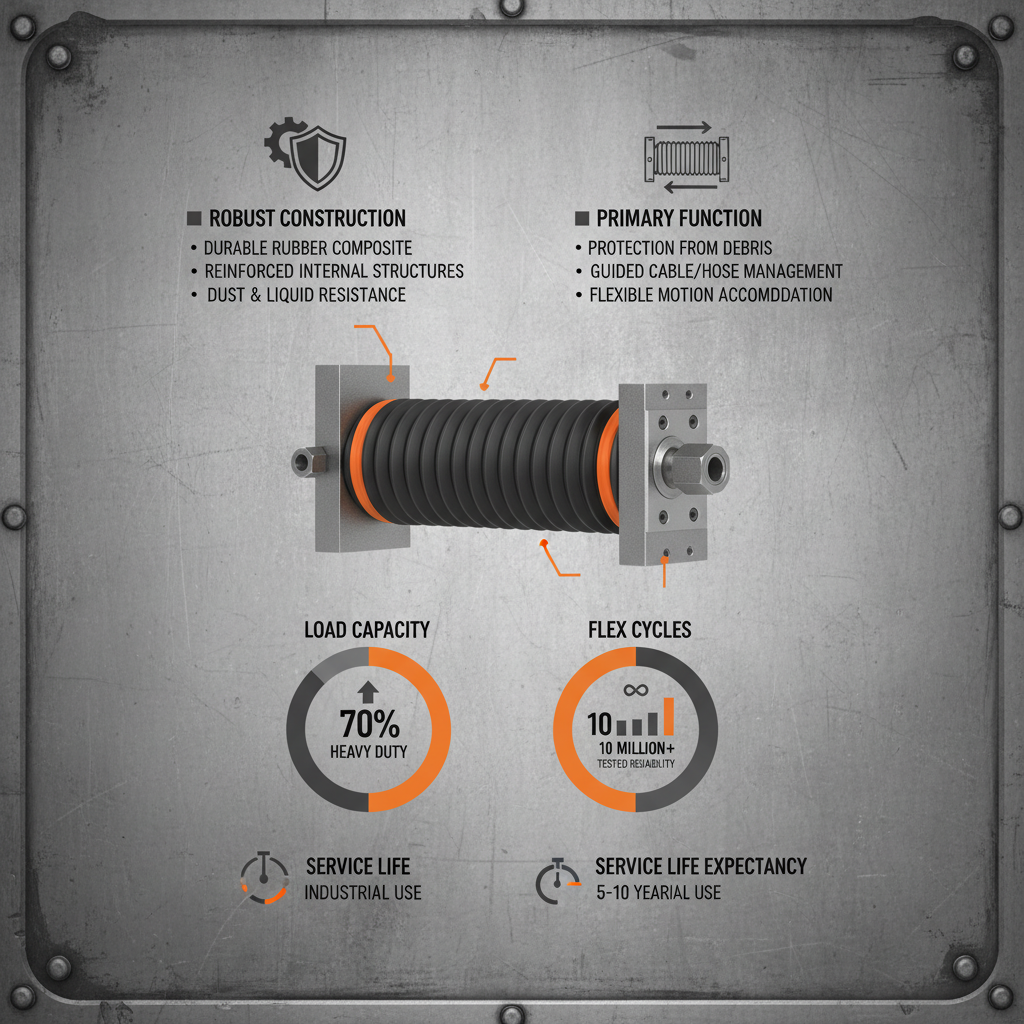
Elastic bellow covers, also known as protective bellows, are essentially flexible, expandable housings that encase moving parts of machinery. They are typically constructed from a durable, resilient material that can repeatedly stretch and compress without losing its integrity. Their primary function is to create a barrier against environmental factors, safeguarding critical components like lead screws, ball screws, guide rails, and hydraulic cylinders. This protection leads to reduced wear and tear, minimized downtime, and ultimately, increased productivity. Agilechains specializes in providing high-quality bellow covers tailored to diverse industrial needs.
Key Features: Durable, flexible construction. Protects against dust, debris, moisture, and contaminants. Extends equipment lifespan. Reduces maintenance costs. Suitable for various machinery components.
Common Materials Used in Elastic Bellow Cover Construction
The material selection for an elastic bellow cover is crucial and depends heavily on the application's specific requirements. Common materials include:
- PVC-Coated Nylon: Offers good abrasion resistance and chemical resistance, suitable for general-purpose applications.
- Polyurethane (PU): Provides excellent flexibility, oil resistance, and durability, often used in applications with demanding conditions.
- Neoprene: Known for its resistance to oils, chemicals, and extreme temperatures.
- Rubber (EPDM, Nitrile): Provides good flexibility and sealing properties, suitable for various applications.
The choice of material should consider factors such as temperature range, chemical exposure, UV resistance, and abrasion resistance.
Material Selection Considerations:
• Temperature range
• Chemical exposure
• UV resistance
• Abrasion resistance
Applications of Elastic Bellow Covers
Elastic bellow covers find widespread application across a diverse range of industries, including:
- CNC Machinery: Protecting lead screws and ball screws from chips and coolant.
- Robotics: Shielding robot joints and actuators from contaminants.
- Printing Industry: Protecting printing cylinders and rollers.
- Packaging Machinery: Protecting moving parts in packaging equipment.
- Medical Equipment: Safeguarding precision instruments and components.
Their adaptability makes them suitable for both indoor and outdoor applications, offering reliable protection in challenging environments. Contact Agilechains to discuss your specific application needs.
Benefits of Using Elastic Bellow Covers
Implementing elastic bellow covers offers numerous advantages, including:
- Extended Equipment Lifespan: Protecting components from contamination significantly reduces wear and tear.
- Reduced Maintenance Costs: Less frequent repairs and replacements translate to lower operational expenses.
- Improved Productivity: Minimizing downtime due to equipment failure enhances overall productivity.
- Enhanced Safety: Shielding moving parts can improve workplace safety by reducing the risk of accidents.
- Clean Operating Environment: Preventing the spread of contaminants contributes to a cleaner and more hygienic workspace.
Investing in quality bellow covers is a proactive step towards optimizing equipment performance and minimizing long-term costs.
Choosing the Right Elastic Bellow Cover
Selecting the appropriate elastic bellow cover requires careful consideration of several factors:
- Application: What type of machinery will the cover be used on?
- Operating Environment: What are the temperature, chemical, and UV exposure conditions?
- Travel Distance: How much extension and compression will the cover experience?
- Material Compatibility: Is the material compatible with the surrounding fluids and chemicals?
- Dimensions: Accurate measurements are crucial to ensure a proper fit.
Agilechains offers expert guidance to help you choose the optimal solution for your specific needs.
Conclusion: Investing in Protection with Elastic Bellow Covers
Investing in elastic bellow covers is a cost-effective way to protect your valuable machinery, reduce maintenance expenses, and improve overall productivity. By choosing the right material and design, you can ensure long-lasting performance and reliable operation. Don't compromise on protection – choose Agilechains for superior quality and expert support.
Frequently Asked Questions (FAQs)
What is the typical lifespan of an elastic bellow cover?
The lifespan of an elastic bellow cover varies depending on the operating environment, the frequency of use, and the material it's constructed from. Generally, with proper maintenance, a well-chosen bellow cover can last between 3 to 7 years. However, factors like excessive UV exposure, chemical contact, or abrasion can significantly shorten its lifespan. Regular inspection for cracks, tears, or loss of elasticity is crucial. Replacement is recommended if any damage is detected.
Can elastic bellow covers be custom-made?
Yes, many manufacturers, including Agilechains, offer custom-made elastic bellow covers. This allows for a precise fit and optimal protection, especially for complex machinery or unique applications. Customization options include material selection, dimensions, and mounting configurations. Providing accurate measurements and application details is essential for a successful custom order.
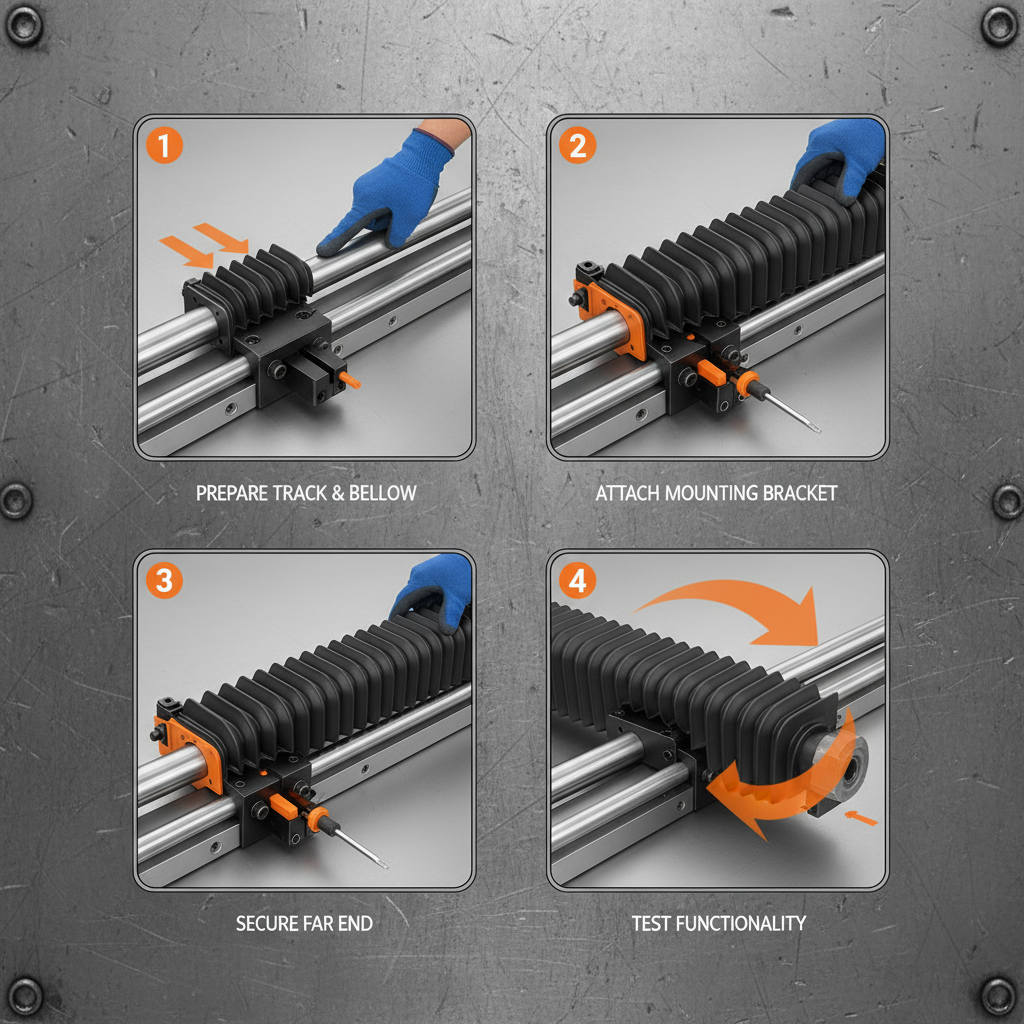
How do I properly install an elastic bellow cover?
Proper installation is crucial for ensuring the effectiveness of an elastic bellow cover. Ensure the mounting surfaces are clean and free of debris. Carefully align the cover with the moving parts, ensuring it doesn't obstruct movement. Securely fasten the cover using the appropriate mounting hardware, ensuring a tight seal. Avoid over-stretching the cover during installation. Consult the manufacturer's instructions for specific guidance.


