



Comprehensive Guide to Accordion Bellows Protector Selection and Applications
Understanding & Choosing the Right Accordion Bellows Protector
In industrial settings, protecting sensitive machinery from dust, debris, and harsh environments is crucial for maintaining operational efficiency and prolonging equipment life. Accordion bellows protectors offer a robust and effective solution. These flexible covers safeguard critical components like lead screws, shafts, and rails, ensuring smooth and reliable operation. This article will delve into the benefits, applications, materials, and selection criteria for accordion bellows protectors, providing a comprehensive guide for engineers and maintenance professionals. Selecting the correct bellows protector is vital for maximizing the lifespan of your equipment and minimizing downtime.
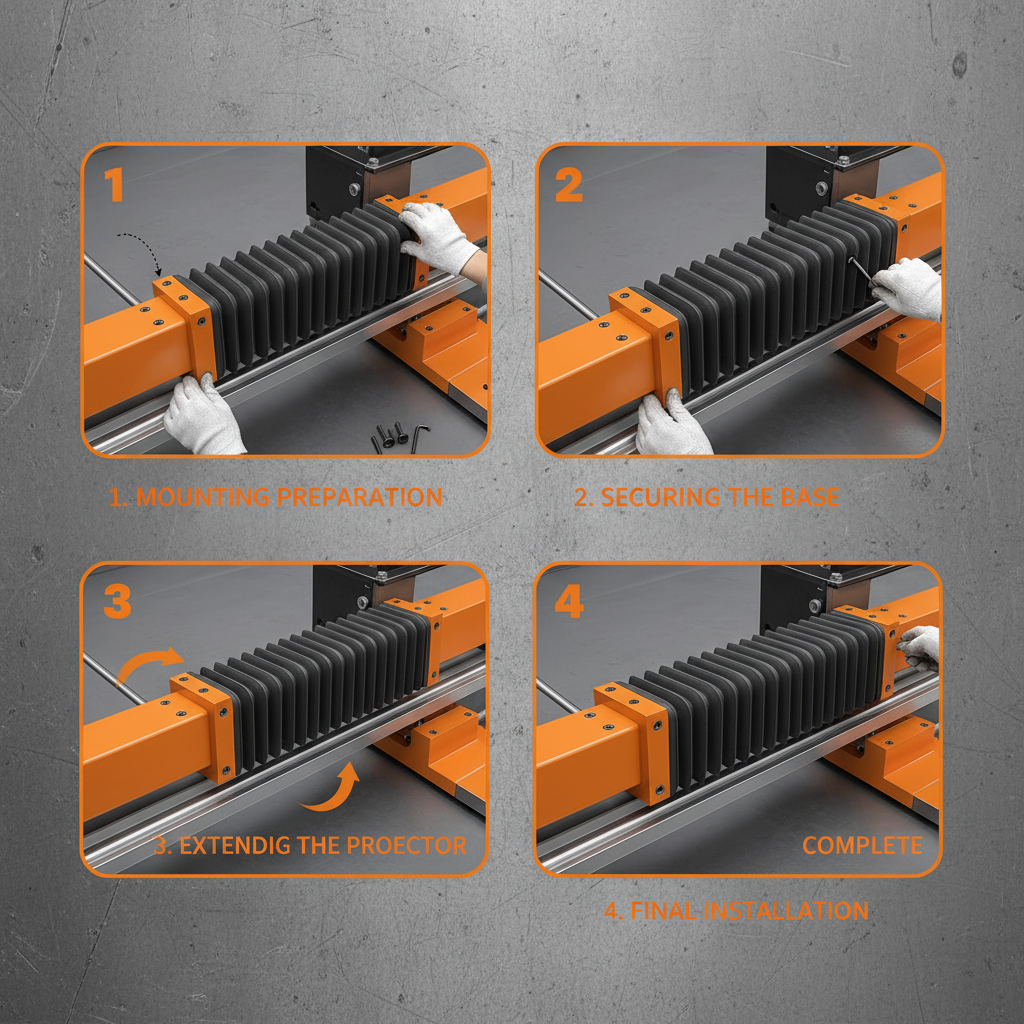
Key Benefits of Using Accordion Bellows Protectors
Accordion bellows protectors provide a multitude of advantages over traditional protective methods. Their flexible design allows for unrestricted movement of machinery components, unlike rigid covers that can hinder operation. They effectively shield against contamination, extending the lifespan of bearings, seals, and other sensitive parts. The low friction design minimizes wear and tear on the bellows itself, ensuring long-lasting performance. Furthermore, they offer excellent resistance to a variety of harsh conditions, including oils, coolants, and extreme temperatures. Investing in high-quality accordion bellows protectors results in reduced maintenance costs and increased productivity.
Key Highlights: Flexible design allows for unrestricted machine movement, extending the life of critical components and reducing downtime. Excellent resistance to oils, coolants, and extreme temperatures.
Accordion Bellows Protector Materials: A Comparative Look
The material used in an accordion bellows protector is a critical factor in determining its suitability for a specific application. Common materials include rubber, polyurethane, and PVC. Each material offers a unique set of properties, making them ideal for different environments. Rubber provides excellent flexibility and resistance to wear, but may not be suitable for exposure to oils or solvents. Polyurethane offers superior abrasion resistance and can withstand higher temperatures, making it ideal for demanding applications. PVC is a cost-effective option for general-purpose protection, but has limited resistance to heat and chemicals. Agilechains offers a diverse range of materials to suit specific needs.
Material Comparison:
• Rubber: Excellent flexibility, good wear resistance, limited chemical resistance.
• Polyurethane: Superior abrasion resistance, high-temperature tolerance, good chemical resistance.
• PVC: Cost-effective, general-purpose protection, limited heat and chemical resistance.
Choosing the Right Accordion Bellows Protector: Key Considerations
Selecting the optimal accordion bellows protector requires careful consideration of several factors. First, accurately measure the stroke length and travel speed of the component being protected. This will determine the required length and flexibility of the bellows. Second, assess the environmental conditions, including temperature range, exposure to chemicals, and potential for abrasion. This will dictate the appropriate material selection. Third, consider the mounting requirements and ensure the bellows can be securely attached to the machine. Finally, evaluate the overall cost-effectiveness, balancing performance with budget constraints.
Applications of Accordion Bellows Protectors Across Industries
Accordion bellows protectors find widespread use across numerous industries. In the robotics sector, they protect actuators and joints from contamination, ensuring precise and reliable operation. Machine tool manufacturers utilize them to shield lead screws and ball screws from chips and coolant. Printing and packaging industries employ bellows to safeguard linear guides and other moving parts. Furthermore, they are commonly found in medical equipment, semiconductor manufacturing, and woodworking machinery. Agilechains serves a diverse clientele with tailored bellows solutions.
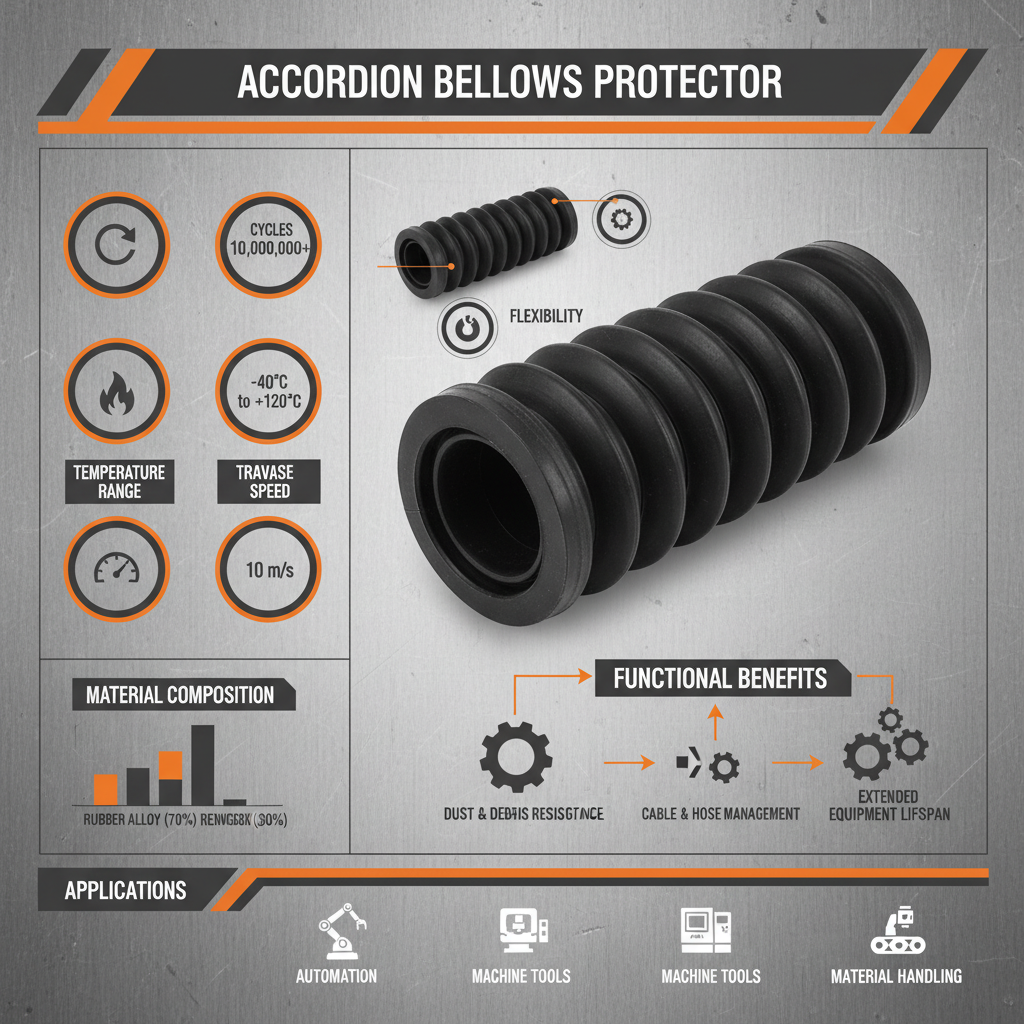
Technical Specifications & Customization Options
Accordion bellows protectors are available in a wide range of sizes, materials, and configurations to meet specific application requirements. Common specifications include length, diameter, pitch, and material thickness. Agilechains specializes in custom-designed bellows, offering solutions tailored to unique challenges. Options include integrated mounting flanges, end fittings, and specialized coatings for enhanced performance. We work closely with our clients to understand their needs and deliver optimal protective solutions.
Conclusion: Protecting Your Investment with Agilechains
Investing in high-quality accordion bellows protectors from a trusted supplier like Agilechains is essential for safeguarding your valuable machinery. Our commitment to quality, customization, and customer service ensures that you receive the optimal solution for your specific needs. Don't compromise on protection – choose Agilechains.
Frequently Asked Questions (FAQs)
What is the typical lifespan of an accordion bellows protector?
The lifespan varies depending on the material, environmental conditions, and the degree of usage. However, with proper maintenance and under normal operating conditions, a well-selected bellows protector can last for several years. Regular inspection for cracks, tears, or material degradation is crucial. Replacing the bellows proactively, before a complete failure, can prevent costly downtime and damage to protected components. Agilechains offers expert advice on material selection and maintenance to maximize the lifespan of your bellows.
Can accordion bellows protectors withstand exposure to harsh chemicals?
The chemical resistance of an accordion bellows protector depends on the material used. Polyurethane and certain specialized rubber compounds offer excellent resistance to many common chemicals, including oils, solvents, and acids. However, it’s crucial to verify the compatibility of the material with the specific chemicals present in the operating environment. Agilechains provides material datasheets and can assist in selecting the most suitable material for chemically aggressive applications.
Do you offer custom-sized accordion bellows protectors?
Yes, Agilechains specializes in custom-designed accordion bellows protectors. We work closely with our clients to understand their specific requirements and create solutions tailored to their unique applications. We can accommodate various sizes, materials, and configurations, including specialized mounting options and end fittings. Our engineering team provides expert guidance throughout the design and manufacturing process.
What are the maintenance requirements for accordion bellows protectors?
Regular visual inspection is the primary maintenance requirement. Check for cracks, tears, abrasions, or signs of material degradation. Keep the bellows clean and free from debris. Avoid using harsh chemicals or abrasive cleaners, as these can damage the material. In applications with high levels of contamination, more frequent inspections and cleaning may be necessary. Replacing the bellows at the first sign of damage will ensure continued protection and prevent costly downtime.


